4 Steps to Choosing a Computer Enclosure for Harsh Environments

Computers, monitors, printers, and other electronics support daily industrial operations. But dust, grease, moisture, chemicals, and temperature extremes can damage equipment that isn’t properly protected.
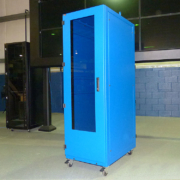
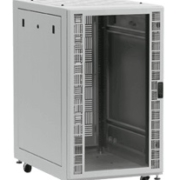
A harsh environment computer enclosure helps shield sensitive electronics while keeping them accessible to operators. These four steps can help you select protection that fits your equipment, operating conditions, and workflow.
Step 1: Evaluate Your Environment and NEMA Rating
Start by identifying where the enclosure will be installed and what it will encounter. Consider indoor or outdoor use, airborne contaminants, water exposure, cleaning methods, and corrosive substances.
These conditions help determine the required NEMA rating.
NEMA 12 Computer Enclosures
NEMA 12 enclosures are designed for indoor use, providing protection against conditions including circulating dust, dirt, lint, fibers, and dripping or light splashing of non-corrosive liquids.
They may be suitable for manufacturing areas where airborne contaminants are a concern.
NEMA 4 Computer Enclosures
NEMA 4 enclosures are designed for indoor or outdoor use, providing protection against conditions including windblown dust, rain, splashing water, and hose-directed water.
They may be appropriate for certain wet or washdown applications.
NEMA 4X Computer Enclosures
NEMA 4X enclosures provide protection similar to NEMA 4, with added corrosion resistance.
For applications involving corrosive substances or cleaning chemicals, evaluate material compatibility alongside the rating. NEMA 4X does not establish resistance to every chemical or cleaning process.
Select the rating based on the actual exposure rather than assuming one enclosure type suits every harsh environment.
Step 2: Review Cleaning and Temperature Requirements
Once you understand the environmental exposure, look more closely at how cleaning and temperature will affect the enclosure and equipment.
Materials and Features for Washdown Areas
Food, beverage, pharmaceutical, and other processing facilities may expose enclosures to frequent cleaning and moisture.
Stainless steel is commonly considered where corrosion resistance and cleanability are priorities. Sloped surfaces can help water drain rather than collect on top of the cabinet.
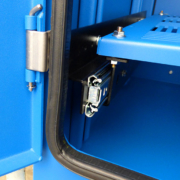
Review cleaning agents, concentrations, water temperature, pressure, and frequency before selecting an enclosure. Doors, gaskets, cable entry points, and accessories must also suit the application.
Does Your Computer Enclosure Need Cooling or Heating?
Electronics generate heat during operation. Inside an enclosure, that heat needs a path out to keep equipment within its recommended operating range.
Depending on the application, thermal management options may include:
- Filtered fan systems
- Air conditioners
- Heat exchangers
- Vortex coolers
- Heaters for cold conditions
Evaluate the equipment’s heat output, allowable operating temperatures, ambient temperature range, and surrounding contaminants. Any thermal management components must also support the required enclosure protection.
Complete the Cooling Requirement Worksheet to share these details with ITSENCLOSURES.
Step 3: Choose the Right Size and Configuration
List everything the enclosure needs to hold, including computers, monitors, keyboards, printers, scanners, and related devices.
Check each component’s dimensions and mounting requirements. Allow room for cable connections, ventilation, maintenance access, and any cooling or heating components.
Then consider how operators will use the workstation. Screen visibility, keyboard position, printer access, and available floor space all affect the configuration.
Configuration Options to Consider
Depending on the model and application, options may include:
- Mounting and mobility: Pedestals, casters, stands, or bolt-down arrangements
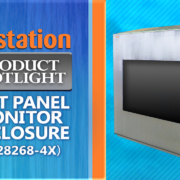
- Equipment access: Lockable doors, printer access doors, or panel-mount monitor doors
- Shelving: Adjustable or sliding shelves
- Cable entry: Glands and other connection arrangements compatible with the required protection
- Monitor mounting: Options suited to the display or touchscreen
- Input devices: Keyboard trays, drawers, and industrial keyboards or pointing devices
Confirm available options for the selected model. The finished workstation should protect equipment while supporting daily use and maintenance.
Step 4: Plan for Future Equipment Needs
Computers, monitors, and printers may be replaced before the enclosure reaches the end of its useful life.
When selecting a heavy-duty computer enclosure, consider whether its dimensions and configuration can accommodate reasonable equipment changes.
Review:
- Clearance for replacement computers, monitors, or printers
- Shelf adjustment and mounting flexibility
- Space for additional cables and connections
- Access for installing or removing equipment
- Cooling capacity if future devices increase the heat load
Extra space alone does not guarantee compatibility. Reassess equipment fit, environmental protection, and thermal management whenever the workstation changes.
Find the Right Protection for Your Equipment
Choosing a harsh environment computer enclosure means bringing environmental protection, equipment fit, temperature control, and operator needs together.
ITSENCLOSURES can help you evaluate those requirements and identify suitable enclosure configurations.
Explore our industrial computer enclosures or contact ITSENCLOSURES to discuss your application.
 ITSENCLOSURES, 2022
 Copyright 2023