Types of Computer Enclosure Gaskets
Enclosure gaskets create a seal between an enclosure body and its doors, helping prevent dust, dirt, water, and other contaminants from reaching sensitive electronics. Choosing the right gasket material depends on factors such as temperature, environmental exposure, chemical resistance, and the requirements of the enclosure.
What Is an Enclosure Gasket and Why Is It Important?
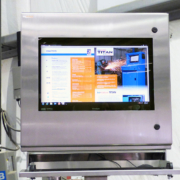
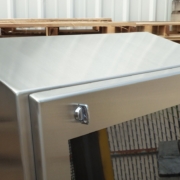
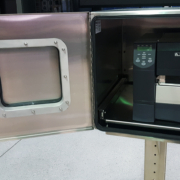
Gaskets are used on computer and electrical enclosures to create a seal between the enclosure body and its doors. Strong, heavy-duty enclosure gasket is critical to the protection of sensitive electronics housed inside of the enclosure.
Gasket is primarily used to prevent the external (often harsh) environment from entering an industrial enclosure. Some of the most harmful elements can be dust, dirt, lint, grease, and water.
The gasket is an important part of the enclosure’s overall sealing system and should be properly selected, installed, and maintained for the conditions where the enclosure will operate.
How Do You Choose the Right Enclosure Gasket?
To support proper performance, it is important to select gasket material designed and rated for the installation environment.
Important factors can include operating temperature, indoor or outdoor use, water exposure, chemicals, UV exposure, and other environmental conditions.
According to Peter Taraborelli, in his blog, Best Rubber Gasket Materials for Weather Resistance, “The location of a gasket is of utmost importance, especially if it is going to be exposed to the elements. For this reason, it’s imperative to choose top quality weather resistant materials to enhance the longevity and performance of outdoor gaskets. There are several important factors to think about in regard to weather resistance including sunlight, temperature, ozone, and inclement weather conditions (rain, hail, sleet, snow, etc.).”
Types of Enclosure Gaskets
The three main types of gasket applied to computer enclosures are strip (most widely used gasket), foam in place, and die cut.
Manufacturers can select the material width and thickness for each gasket application, as well as adhesive type, for a simple direct application to an enclosure. Enclosure gasket can be made of a variety of materials which offer varying temperature ranges, chemical resistance, and other important characteristics.
Strip, Foam-in-Place, and Die-Cut Gaskets
Strip gaskets, foam-in-place gaskets, and die-cut gaskets describe different gasket forms or application methods. The appropriate option depends on the enclosure design, sealing requirements, and application.
Common Enclosure Gasket Materials
Common enclosure gasket materials include polyurethane, neoprene, and silicone. Each material offers different temperature capabilities and environmental resistance, making the appropriate choice dependent on the enclosure’s operating conditions.
How Do Polyurethane, Neoprene, and Silicone Gaskets Compare?
| Gasket Material | Temperature Range* | Characteristics |
| Polyurethane | -40°F to 158°F | Can accommodate irregular gasket shapes |
| Neoprene | -67°F to 250°F | Water, chemical, abrasion, and tear resistance |
| Silicone | -40°F to 450°F | UV/weather resistance and high-temperature performance |
*Temperature ranges and application suitability should be confirmed for the specific gasket material and enclosure application.
Inspecting and Maintaining Enclosure Gaskets
Regular enclosure gasket maintenance will ensure optimal performance!
Even gasket material that is properly specified for an application should be inspected regularly for signs of damage or deterioration. During inspection, look for conditions such as tears, gouges, cracking, compression, deterioration, or areas where the gasket no longer creates the intended seal.
In some cases, it may be more beneficial to replace the entire door vs. just the gasket. This will ensure that UL and NEMA ratings are still maintained. Gaskets perform a critical job in keeping particulate matter outside of the enclosure.
Selecting the Right Gasket for an Industrial Enclosure
The right enclosure gasket depends on more than the material alone. Temperature, moisture, chemicals, UV exposure, enclosure design, and required environmental protection should all be considered when selecting an enclosure for a specific application. Regular inspection can also help identify gasket damage before the enclosure’s seal is compromised.
Need help selecting an enclosure for a demanding industrial environment? Explore our industrial computer enclosures or contact ITSENCLOSURES to discuss your application.
 Copyright 2023
 ITSENCLOSURES, 2022