

Types of Enclosure Materials

Industrial enclosures protect computers, printers, monitors, and other electronics from the conditions around them. Choosing the right enclosure material starts with understanding those conditions.
Dust, water, cleaning chemicals, corrosion, temperature, and installation requirements all influence material selection. The enclosure’s construction and NEMA rating must also suit the equipment and environment.
3 Common Industrial Enclosure Materials
Mild steel, stainless steel, and non-metallic materials offer different advantages. Here’s how they compare and where each may be appropriate.
1. Mild Steel Enclosures
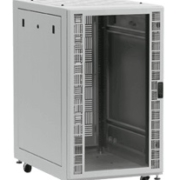
Mild steel, also called low-carbon steel, is widely used for industrial computer, printer, monitor, and rack enclosures. Its strength makes it a practical choice for applications requiring durable construction.
A powder-coated finish provides a protective layer, although damage to that finish can leave the underlying steel vulnerable to corrosion.
Mild steel is commonly used for NEMA 12 enclosures and certain NEMA 4 applications. It may be suitable when:
- Dust, dirt, grease, or debris are primary concerns
- Heavy-duty construction is needed
- Environmental exposure is compatible with the protective finish
Where moisture or corrosive substances are present, evaluate whether the coating provides sufficient protection and how it will be maintained.
2. Stainless Steel Enclosures

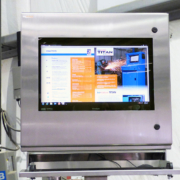
Stainless steel offers corrosion resistance and cleanable surfaces, making it a common choice for food, beverage, pharmaceutical, and other demanding processing environments.
ITSENCLOSURES uses Type 304 stainless steel for its NEMA 4X computer, monitor, and printer enclosures.
Stainless steel may be suitable when:
- Equipment is exposed to moisture or washdowns
- Corrosion resistance is important
- Frequent cleaning is required
Stainless steel is not resistant to every chemical or cleaning process. Confirm compatibility with the substances, concentrations, temperatures, and exposure conditions in the application.
3. Non-Metallic Enclosures
Non-metallic materials, such as fiberglass and polycarbonate, are commonly used for junction boxes and electrical enclosures.
Depending on the material and design, they can offer lower weight, corrosion resistance, and electrical insulation. They may be suitable when:
- Lower enclosure weight is important
- Environmental exposure is compatible with the material
- Electrical insulation is a consideration
- The enclosure can accommodate the equipment and mounting requirements
Temperature limits, UV exposure, impact resistance, and chemical compatibility vary by material. Evaluate the specific enclosure rather than treating all non-metallic options as interchangeable.
Mild Steel vs. Stainless Steel Enclosures
Both materials provide durable construction. The main distinction is their resistance to the surrounding conditions.
Powder-coated mild steel can serve many industrial applications where its finish provides appropriate protection. Stainless steel may be preferable where corrosion resistance and frequent cleaning are priorities.
Compare the expected exposure, cleaning process, maintenance needs, and cost before selecting either material.
Weight and Mounting Considerations
Enclosure weight matters when mounting to a wall, pole, ceiling, or other supporting structure. Consider the total installed weight, including the equipment, shelves, accessories, and thermal management components.
Steel and stainless steel enclosures are generally heavier than comparable non-metallic options. However, dimensions and construction also affect weight.
Confirm that the enclosure, mounting hardware, and supporting structure are suitable for the installation.
How Does NEMA Rating Affect Material Selection?

Material alone does not establish an enclosure’s NEMA rating. The complete design, including doors, seals, hardware, and openings, affects its environmental protection.
Different materials can meet the same enclosure type requirements. For example, NEMA 4X is not limited to stainless steel; appropriately designed non-metallic enclosures can also provide that level of protection.
Choose the required NEMA rating based on the exposure your equipment will face, then evaluate which materials are compatible with the application.
Choosing the Right Enclosure Material
Before comparing options, gather these details:
- Equipment: Dimensions, weight, access needs, and heat output
- Location: Indoor or outdoor use and expected temperatures
- Contaminants: Dust, dirt, grease, chemicals, or corrosive substances
- Cleaning: Water exposure, washdown conditions, and cleaning agents
- Installation: Mounting method, available space, and structural support
- Protection: Required NEMA rating and any other application requirements
Use this information to evaluate the enclosure as a complete system, including its material, finish, seals, cable entry, and thermal management.
Find the Right Protection for Your Equipment
ITSENCLOSURES can help you evaluate steel and stainless steel enclosure options, NEMA ratings, and available configurations for your application.
Explore our industrial computer enclosures or contact ITSENCLOSURES to discuss your equipment and operating conditions.
 ITSENCLOSURES, 2022
 Copyright 2023
 ITSENCLOSURES
 ITSENCLOSURES, 2022