Enclosure Filter and Fan System Tips for Computer Enclosures

Computers, monitors, printers, servers, and other electronics generate heat during operation. Inside an industrial computer enclosure, that heat needs to be managed to support reliable performance and reduce the risk of heat-related downtime.
A filtered fan system can provide practical cooling when the surrounding air and required enclosure protection allow it. Before selecting a system, consider the equipment heat load, ambient temperature, airborne contaminants, and operating environment.
How Does a Filtered Fan System Work?
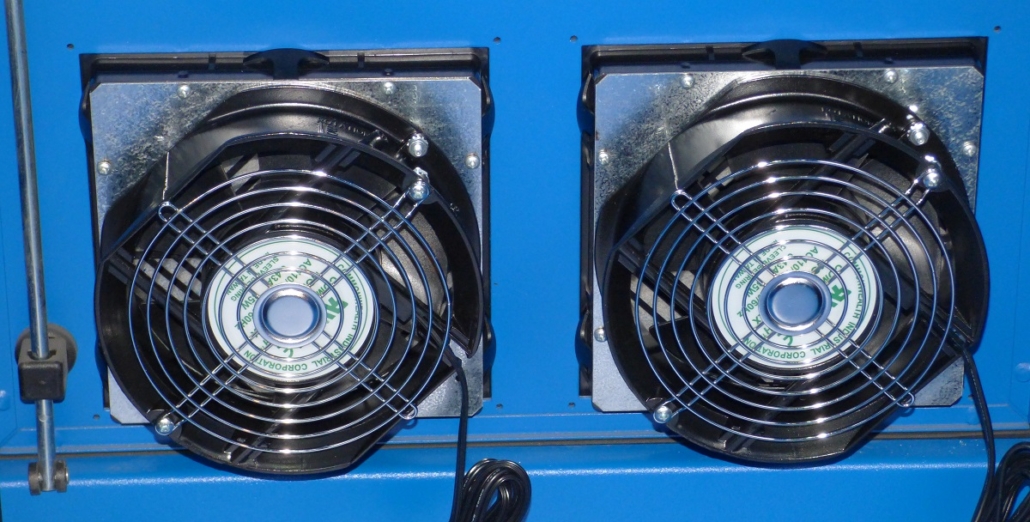
A filtered fan system draws outside air through an enclosure filter, helping limit airborne dust and debris while circulating cooler air around the equipment. Heated air then leaves through an exhaust opening.
A properly configured intake fan system can also create positive pressure inside the enclosure. This helps reduce unfiltered air entering through small openings.
Fan capacity, filter resistance, equipment layout, and surrounding conditions all affect cooling performance.
When Is a Filtered Fan System the Right Choice?
Filtered fans may be suitable when the surrounding air is cooler than the required internal enclosure temperature and can be adequately filtered for the application.
They also require an installation that supports the enclosure’s required level of environmental protection. High ambient temperatures, washdowns, moisture, or corrosive contaminants may call for another thermal management approach.
Confirm the equipment manufacturer’s operating limits before choosing a cooling system. A fan moves outside air through the enclosure; it does not refrigerate that air.
4 Tips for Using a Filtered Fan System
1. Plan Around Heat-Generating Equipment
Identify which components produce the most heat and consider their ventilation requirements when arranging equipment inside the enclosure.
Leave enough space for air to circulate around computers, printers, servers, and other components. Avoid layouts that block equipment vents or trap warm air away from the exhaust.
2. Position the Fan and Exhaust for Effective Airflow
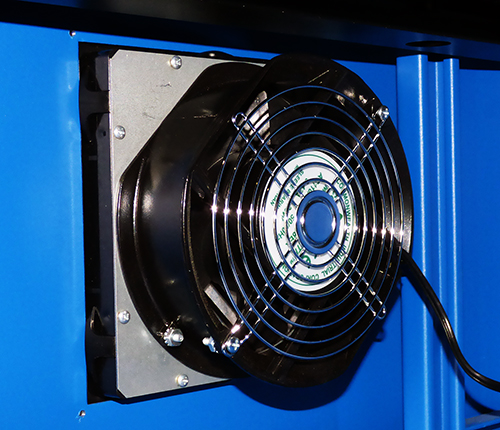
A common configuration places the filtered intake fan lower on the enclosure and the exhaust higher, allowing incoming air to move through the cabinet and carry heat away.
Position equipment and cables so they do not obstruct this airflow. The appropriate fan and exhaust locations will depend on the enclosure design, equipment layout, and operating conditions.
3. Consider Thermostat Control
Some enclosure fans run continuously, while others operate through a thermostat.
A thermostat switches the fan on when the enclosure reaches a set temperature, reducing unnecessary operation when cooling is not needed. Select the control approach and temperature settings based on the equipment’s operating limits and the application’s cooling requirements.
4. Match the Enclosure Filter to the Environment
Choose filter media based on the dust and debris present around the enclosure. Finer filtration can capture smaller particles, but it can also increase airflow resistance.
Evaluate the fan and filter together to ensure the system provides sufficient airflow with the selected media installed.
Inspect filters regularly and clean or replace them according to the manufacturer’s instructions. Dust buildup can restrict airflow and reduce cooling performance, so maintenance frequency should reflect conditions in the facility.
Find the Right Cooling Solution for Your Equipment
Effective enclosure cooling starts with understanding the equipment and the conditions around it. ITSENCLOSURES can help you evaluate your heat load, operating environment, and protection requirements to identify suitable enclosure and thermal management options.
Explore our industrial computer enclosures or contact ITSENCLOSURES to discuss your application.
 ITSENCLOSURES, 2022
 Copyright 2023